History of Kannuru - Bagaluru Road
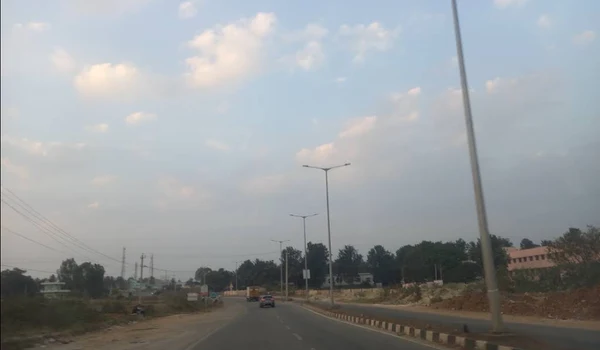
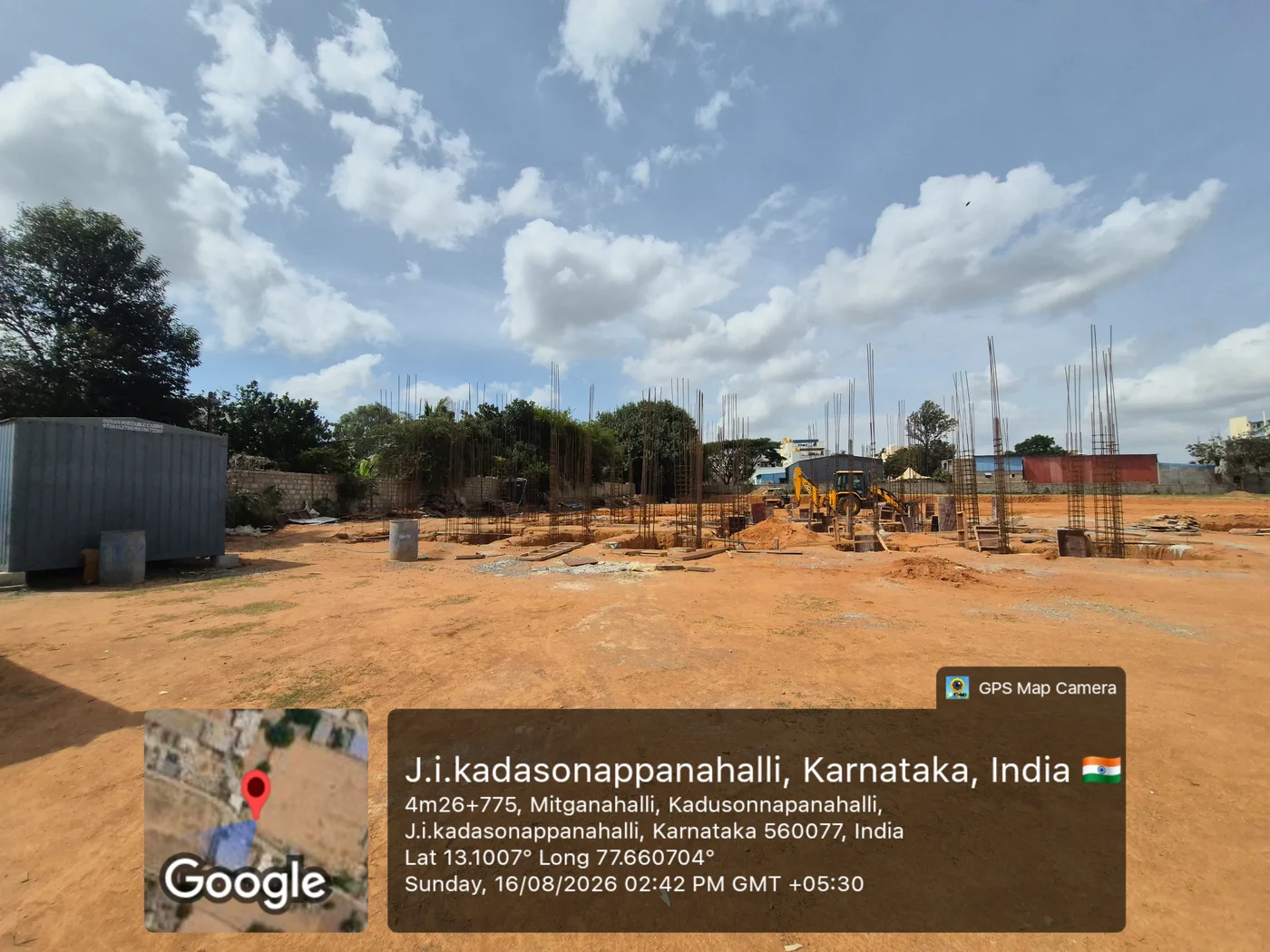
The Kannuru - Bagaluru Road with street lighting and open land alongside, North Bangalore


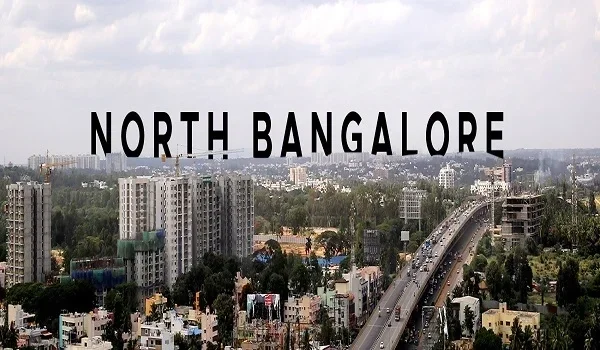
Kannuru - Bagaluru Road traces back to old farming villages under Yelahanka's historic rule. This belt once grew ragi, vegetables, and flowers on its open farmland. Yelahanka itself has royal roots, going back to the Vijayanagara era.

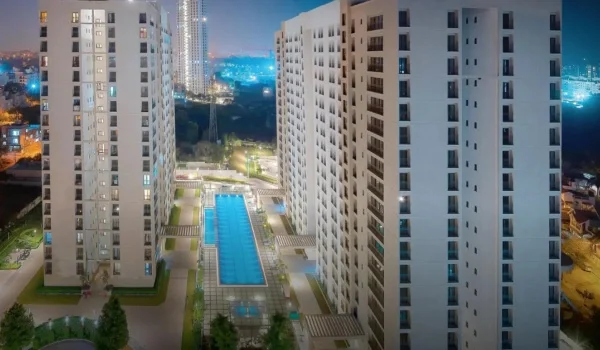
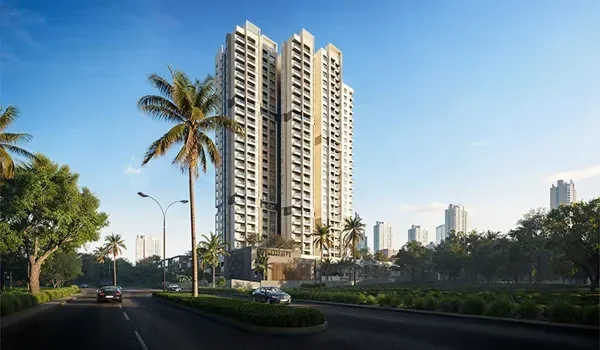
Over recent decades, this quiet corridor has shifted from farmland to a modern residential and job hub. HRP Shades of Green now stands on this same transforming stretch.
Yelahanka's Royal and Historic Roots


Kannuru is in Yelahanka taluk, and the area has a lot of history.

  • Yelahanka has a history that goes back to the time when the Vijayanagara Empire was in charge of this region.
  • The Vijayanagara Empire fell in 1565. After that, the Adil Shahi dynasty of Bijapur took over Kannuru and Yelahanka.
  • The Mysore Kingdom got control of the area. This happened in the 1700s.
  • Kannuru was important during Hyder Ali's campaigns. These campaigns took place in the 1760s.
  • The location of Kannuru was good for trade. People used to carry silk and spices through this area in those days.
  • This royal past gave Yelahanka lasting importance as a northern gateway to Bangalore.

Bagalur Village: An Agricultural Past


Bagalur, the postal head office for Kannuru, has long stood as a farming village.

  • Bagalur falls under Yelahanka taluk, Bengaluru Urban district.
  • The village covers a recorded area of 916.59 hectares.
  • Farmers here traditionally grew ragi, vegetables, and flowers.
  • About 325 hectares, or 35.5 percent of farmland, once relied on irrigation.
  • As per the 2011 Census, Bagalur held a population of around 10,320 people.
  • The village functions under its own Gram Panchayat, led by an elected Sarpanch.

This farming backdrop shaped Kannuru's slow, village-style growth for many decades.

From Farmland to a Growth Corridor


Kannuru's shift away from pure agriculture began as Bangalore's airport belt expanded.

  • Job growth in Yelahanka moved from farming toward services after the early 2000s.
  • The nearby Bagalur Industrial Area added factory and logistics jobs over time.
  • Kempegowda International Airport's growth pulled in aviation and logistics firms nearby.
  • The Foxconn plant in neighbouring Devanahalli, running since 2025, added over 30,000 jobs.
  • This job growth pushed housing demand into once-quiet villages like Kannuru.

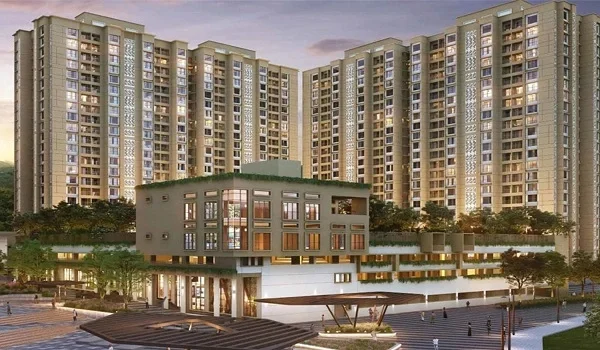
HRP Shades of Green reflects this shift, bringing a planned villa community to former farmland.

Recent Infrastructure Development


Kannuru's transformation has picked up pace through 2025 and 2026.

  • Hennur-Bagalur Road widening and white-topping work is nearly complete.
  • The Blue Line Metro's Hebbal-to-Airport stretch is in advanced construction nearby.
  • Bagalur Cross Station will bring direct metro access close to this corridor.
  • A new Yelahanka Coach Terminal, worth ₹5,745 crore, is planned near the Rail Wheel Factory.
  • Local flyover projects, including one near Yelahanka Police Station, aim to finish by mid-2026.

These upgrades mark a clear break from Kannuru's earlier, purely rural character.

Property Market


Kannuru's real estate story now mirrors its broader shift from farmland to city fringe.

Present scenario:

  • Pre-launch pricing at HRP Shades of Green starts near ₹12,270 per sq. ft.
  • Nearby pockets like Kogilu Cross and Bagalur Cross have seen gains of 15 to 20 percent.
  • Annual price growth across this belt currently runs at 12 to 15 percent.
  • Rental demand stays strong, driven by airport and aerospace park jobs.

Future growth expected:

  • Experts project 60 to 70 percent price appreciation in this corridor by 2030.
  • Metro access near Bagalur Cross should add further momentum once trains start running.
  • Buyers entering early may benefit most as this area completes its shift from village to suburb.

Future Development


A few upcoming projects should carry Kannuru's transformation further.

  • Blue Line Metro completion – direct rail link to the airport and city core
  • Yelahanka Coach Terminal – Yelahanka Coach Terminal is getting space for long-distance trains.
  • STRR expansion – the STRR expansion will make it easier to get to Devanahalli and Hoskote.
  • Peripheral Ring Road – The Peripheral Ring Road is a help because it connects this area to Sarjapur and Electronic City.
  • Continued road upgrades – They are also fixing the roads so that it is easier to get around, as at the Yelahanka Coach Terminal. The area around it keeps getting bigger.

Commuting Options


Kannuru now offers far more transit choices than its farming-era past.

  • Road: Hennur-Bagalur Road gives quick access to Hebbal and NH-44.
  • Rail: Yelahanka Junction and Channasandra stations serve the Suburban Rail network.
  • Metro: The upcoming Bagalur Cross Station sits close to HRP Shades of Green.
  • Airport: Kempegowda International Airport sits about 15 minutes away by road.
  • Bus: BMTC routes and KIA airport buses run regularly along this corridor.

HPR Infra Prelaunch Project is HPR Shades of Green.

FAQs


1. What was Kannuru - Bagaluru Road like in the past?

It was farmland in the Yelahanka taluk growing ragi, vegetables and flowers for years.

2. Does Yelahanka have a history that's important?

Yes, its history goes back to the Vijayanagara Empire. Then the Mysore Kingdom.

3. When did Kannuru begin to change from farmland to places where people live?

This change became faster after the 2000s because of jobs linked to the airport.

4. What caused the growth in this area?

Airport expansion, the Foxconn plant, new metro and road projects.

5. Is Kannuru still a place where people grow crops today?

Some parts are still rural. New projects like HRP Shades of Green show the change toward homes.

6. How does this past affect the value of property now?

Being part of this area that is changing offers chances for long-term growth for those who buy property.

Enquiry
Enquire Now